Tag Archives: forex market
Online Trading vs Traditional Trading: Key Differences
Online trading has transformed the way individuals participate in financial markets, providing convenience, speed, and access to a wide range of assets. While traditional trading involves more conventional methods, such as working through brokers or financial institutions, online trading offers a modern alternative. Understanding the key differences between these approaches is essential for traders and investors looking to optimize their strategies and achieve consistent results.
One of the main differences is accessibility. Traditional trading often requires investors to interact directly with brokers, visit trading floors, or manage accounts through financial institutions. In contrast, online trading allows users to access global markets from anywhere with an internet connection. Traders can buy and sell stocks, forex, commodities, indices, and cryptocurrencies using a single platform, making trading faster and more flexible. This accessibility has opened financial markets to a broader audience, including retail traders who may not have had opportunities in the past.
Speed and efficiency are another distinguishing factor. Online trading platforms provide real-time price feeds, instant order execution, and advanced charting tools, enabling traders to respond quickly to market movements. Traditional trading methods often involve delays due to manual order processing and limited access to real-time information. The speed offered by online trading is particularly important in volatile markets, where rapid decision-making can significantly impact profitability.
Cost structures also differ between the two approaches. Online trading typically features lower fees, competitive spreads, and reduced commissions compared to traditional trading. This cost efficiency allows traders to execute frequent trades without significantly reducing profitability. Traditional trading, on the other hand, may involve higher brokerage fees, management charges, or account minimums, which can limit trading frequency and accessibility.
Flexibility and tools are additional advantages of online trading. Platforms provide technical indicators, charting tools, risk management features, automated trading options, and educational resources to support strategy development. Traditional trading relies more on personalized advice from brokers or financial advisors, which can be beneficial for long-term investing but offers less control for active traders.
In conclusion, the key differences between online trading and traditional trading include accessibility, speed, cost efficiency, and the availability of analytical tools. Online trading empowers traders with real-time information, advanced features, and flexibility, while traditional trading provides a more personalized, long-term investment approach. Understanding these distinctions allows traders to select the approach that best aligns with their goals, risk tolerance, and trading style.
Top CFD Trading Tips for Beginners
Contract for Difference (CFD) trading has gained significant popularity among retail traders, offering opportunities to profit from price movements without owning the underlying assets. However, success in cfd trading requires knowledge, strategy, and discipline. Here are essential tips to help beginners navigate this complex market effectively.
Start with Education and Practice
Before risking real money, invest time in learning the fundamentals. CFD trading involves leverage, which can amplify both profits and losses. Research shows that 74-89% of retail CFD accounts lose money, making education crucial for success.
Begin with demo accounts that simulate real trading conditions. Practice different strategies and familiarize yourself with trading platforms. Most successful traders spend months honing their skills before transitioning to live accounts.
Develop a Solid Trading Plan
Create a comprehensive trading plan that outlines your goals, risk tolerance, and strategies. Define your entry and exit points before opening positions. Successful traders follow predetermined rules rather than making impulsive decisions based on emotions.
Your plan should include specific criteria for trade selection, position sizing, and risk management. Document your trades to identify patterns and improve your strategy over time.
Master Risk Management
Risk management is the cornerstone of successful CFD trading. Never risk more than 2-3% of your trading capital on a single trade. Use stop-loss orders to limit potential losses and take-profit orders to secure gains.
Diversify your portfolio across different markets and asset classes. Avoid putting all your capital into one position or market sector. Remember that preservation of capital is more important than making profits.
Understand Leverage and Margin
CFD trading involves leverage, allowing you to control larger positions with smaller capital. While leverage can increase profits, it also magnifies losses. Start with lower leverage ratios until you gain experience and confidence.
Maintain adequate margin in your account to avoid margin calls. Monitor your positions closely and understand how leverage affects your risk exposure. Many beginners underestimate the impact of leverage on their trading results.
Choose the Right Markets
Focus on markets you understand and follow regularly. Popular CFD markets include forex, indices, commodities, and individual stocks. Each market has unique characteristics, trading hours, and volatility patterns.
Start with major currency pairs or well-known indices before exploring exotic markets. Liquid markets typically offer tighter spreads and better execution, making them ideal for beginners.
Control Your Emotions
Emotional trading is one of the biggest obstacles to success. Fear and greed can lead to poor decision-making and significant losses. Stick to your trading plan regardless of market conditions or recent performance.
Take breaks when experiencing losing streaks. Avoid revenge trading or increasing position sizes to recover losses quickly. Successful trading requires patience and emotional discipline.
Final Thoughts
CFD trading offers exciting opportunities but requires dedication and proper preparation. Focus on education, risk management, and emotional control rather than quick profits. Success comes from consistent application of proven strategies and continuous learning from market experiences.
Common Mistakes in CFD Trading and How to Avoid Them
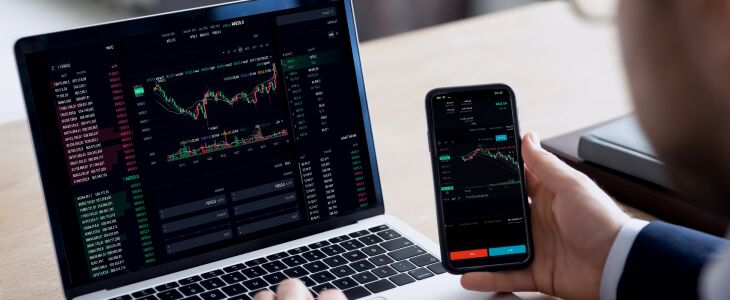
CFD (Contract for Difference) trading is a popular choice among traders looking to capitalize on price fluctuations without actually owning the underlying asset. While it offers significant opportunities, it also comes with notable risks. Many traders, especially those new to the market, tend to make avoidable mistakes that can lead to losses. Below, we discuss some of the most common pitfalls in cfd trading and how you can steer clear of them.
1. Neglecting Risk Management
Lack of a robust risk management plan is one of the biggest errors traders make. Without clearly defined stop-loss and take-profit levels, you risk exposing your trading account to significant losses.
How to Avoid: Always set your stop-loss and take-profit levels before entering any trade. Limit your risk per trade to a small portion of your account, such as 1–2%, to prevent large losses.
2. Overleveraging Trades
Leverage can amplify your gains, but it also magnifies losses. Many traders, attracted by the potential for high returns, overleverage trades, leading to blown accounts during market volatility.
How to Avoid: Use leverage with caution. Consider starting with lower levels of leverage until you build confidence and experience in the market.
3. Failing to Do Proper Research
Jumping into trades without comprehensive research is a surefire way to make mistakes. Markets are influenced by numerous variables such as economic events, political developments, and technical trends.
How to Avoid: Stay informed about the current market conditions. Read economic calendars, track financial news, and study technical analysis charts before making decisions.
4. Trading Without a Plan
Many traders enter the market with no structured plan, leading to impulsive decisions based on emotions like fear or greed.
How to Avoid: Create a realistic trading plan that includes objectives, risk tolerance, and strategies. Stick to your plan and avoid spontaneous changes driven by emotions.
5. Ignoring Market Volatility
CFD trading thrives on volatility, but unexpected price movements can quickly turn profitable trades into losses.
How to Avoid: Be aware of the market’s volatility before entering trades. Monitor liquidity levels and avoid trading during highly erratic times, such as key economic announcements.
Final Word
CFD trading can be a rewarding venture, but only if approached with discipline and strategy. Avoiding these common mistakes can help reduce risk and build your confidence as a trader. Always educate yourself, practice risk management, and make informed decisions to achieve sustainable success.